
The importance of moths as pollinators
Moths are often seen as the not so important, or even disturbing nocturnal counterparts of butterflies.
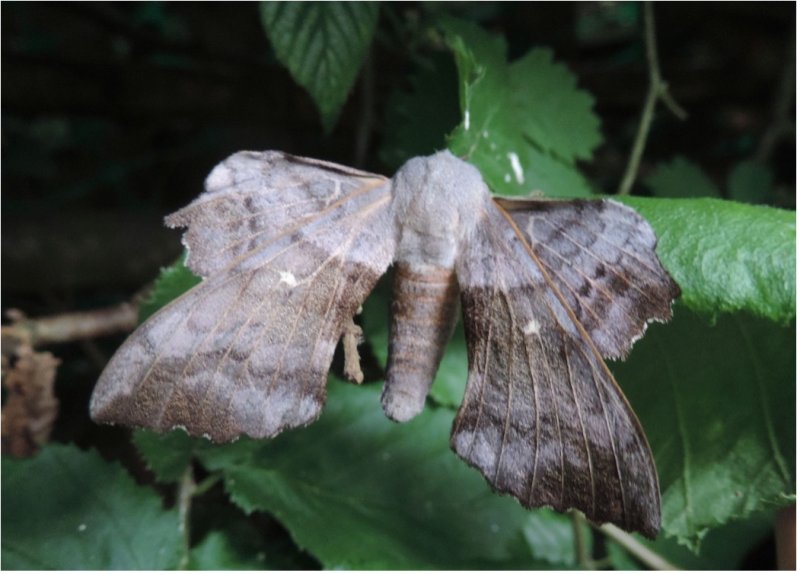
|
Moths are often seen as the not so important, or even disturbing nocturnal counterparts of butterflies. They are often more famous for eating clothes, food supplies or seen as pests. There are thousands of moth species just in Europe, only a tiny proportion causes serious threats to food supplies and crops. Many of them are more beautiful than butterflies and most of them are having an important role as pollinators.
According to recent studies moths are more efficient pollinators than day-flying pollinators, such as bees. They may not visit the flowers as frequently as bees, still are quicker at pollinating them. They are making an important contribution to pollinating during the short hours of darkness.
Sadly many moths are in serious decline throughout Europe, endangering the effective pollination, but also food supplies for many other species, such as bats and birds.
|
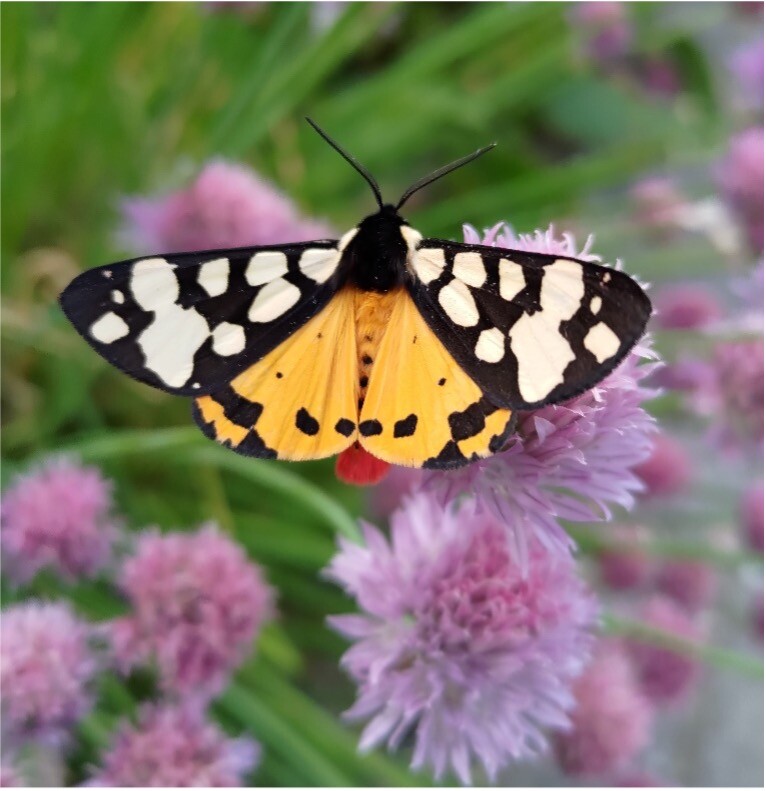
Figure 2 - Cream-spot Tiger (Arctia villica). Photo: Linda Magyar |
 Moths are greatly under-studied and not appreciated enough and pollinators in general are a vital part of many ecological communities, and have an important role in our own foodchain. Due to climate change, intensive agriculture and forestry, as well as general habitat loss, the usage of pesticides and pollution, there is a great and general decline of many moth species.
Now that we know that moths are much more important pollinators than we thought before, we need to take action to support them.
Fortunately there are plenty of ways and methods you can help moths on your land, garden or even on a small balcony.
Moths need both nectar source (flowers) and food plants for their caterpillars to survive. Many moths lay eggs on generally „unwanted” or underrated plants, such as stinging nettle or even grasses!
Guidance on what you can or should not do for moths in your garden are as follows:
- Grow lots of nectar-rich flowers, such as honeysuckle, common jasmine, evening primrose, sweet rocket, night-scented stock and ornamental tobacco plant;
- Prolong flowering by deadheading flowers and provide plenty of water;
- Grow caterpillar foodplants, such as clematis, comfrey, currant, foxglove, fuchsia, mallow, marjoram, mint, ox-eye daisy;
- Let at least a small area to go wild by letting the grass and wildflowers freely grow long. Only cut this area once or twice per year and collect the vegetation material.
- Create shelter-belts of native trees and shrubs, plant up fences and walls with climbing plants.
- Make a log pile, where moths can hibernate, some species breed in deadwood.
- Do not use pesticides.
- Do not buy peat-based compost. Peatlands are extremely important habitats for several moth species. So by not buying peat compost you contribute to protect such lands.
- Don’t be too tidy. Leave garden borders untouched for winter, do not collect leaves, so that moths may hide, hibernate and rest.