
A Bottomless Peat of Climate Potential
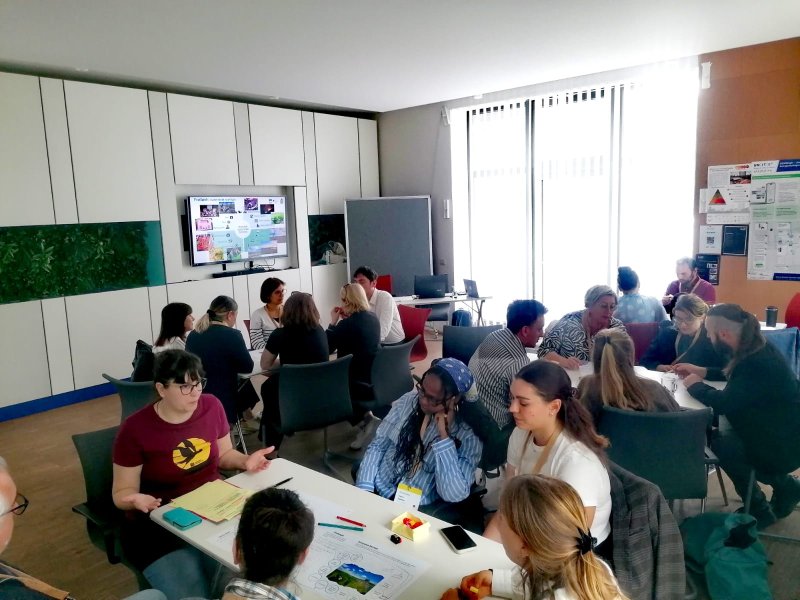
Peatlands entered the spotlight of European climate discussions as the workshop Sustainable Peatland Futures brought peatland restoration and conservation to EUKICON26.
We have said it before and we will say it again: although peatlands cover only a small share of Europe’s land area, they are the continent’s largest terrestrial carbon store. Yet, nearly half of Europe’s peatlands are degraded, turning many of them from carbon sinks into significant sources of greenhouse gas emissions. Restoring and conserving peatlands, therefore, represents one of the most effective nature-based solutions for addressing climate change while simultaneously supporting biodiversity and water security.
With the importance of peatlands firmly established, partners of the Peatland Futures consortium — CEEweb for Biodiversity, the Michael Succow Foundation and Eurosite — headed to Berlin on 19–20 May to participate in the 6th EUKICON26, the EUKI Academy Networking Event organised under the European Climate Initiative (EUKI). Guided by the motto Doubling Down on Climate Action, the event provided an ideal opportunity to facilitate an interactive workshop highlighting the crucial role of peatlands in climate mitigation, biodiversity conservation and water management.
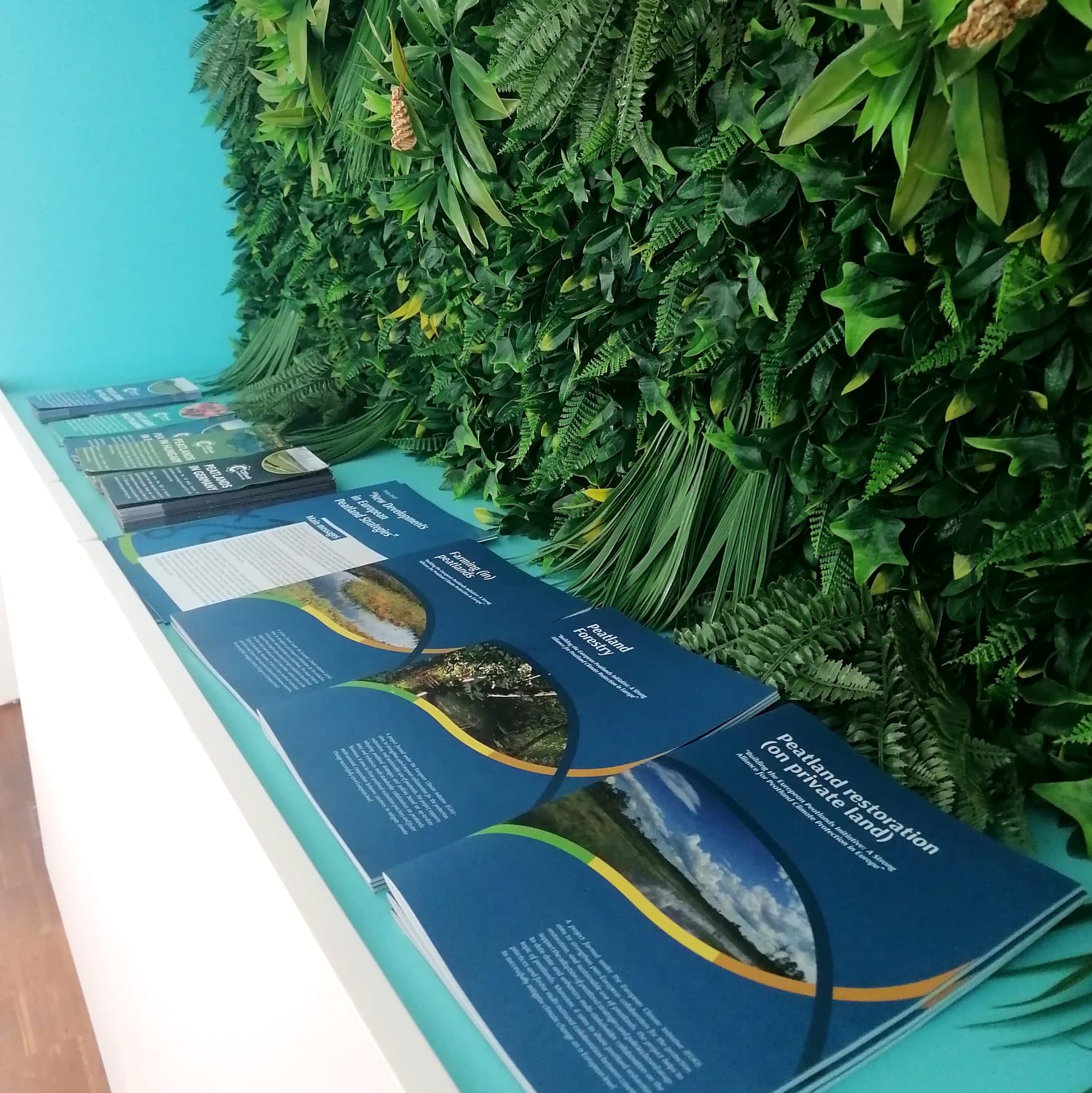
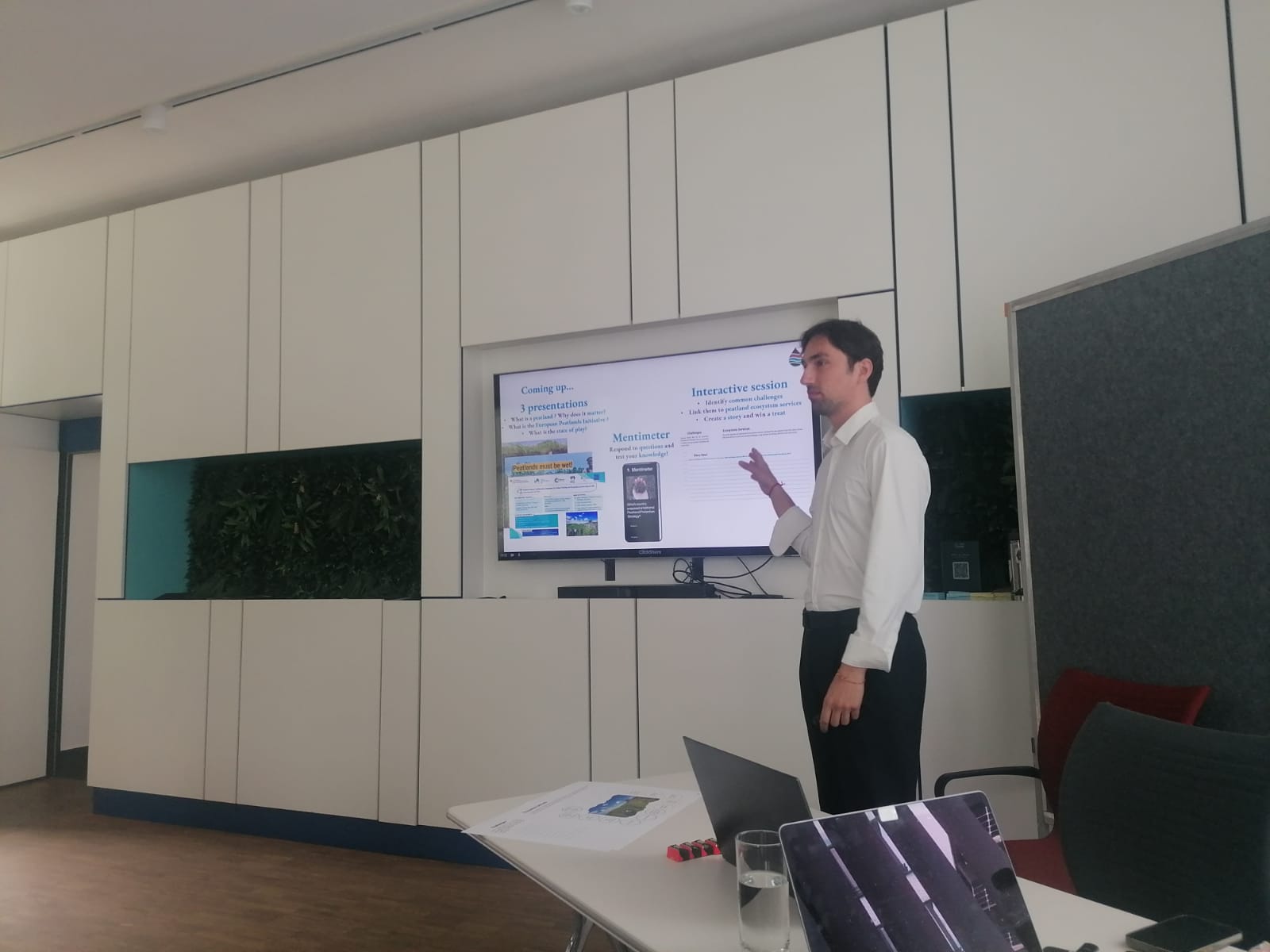
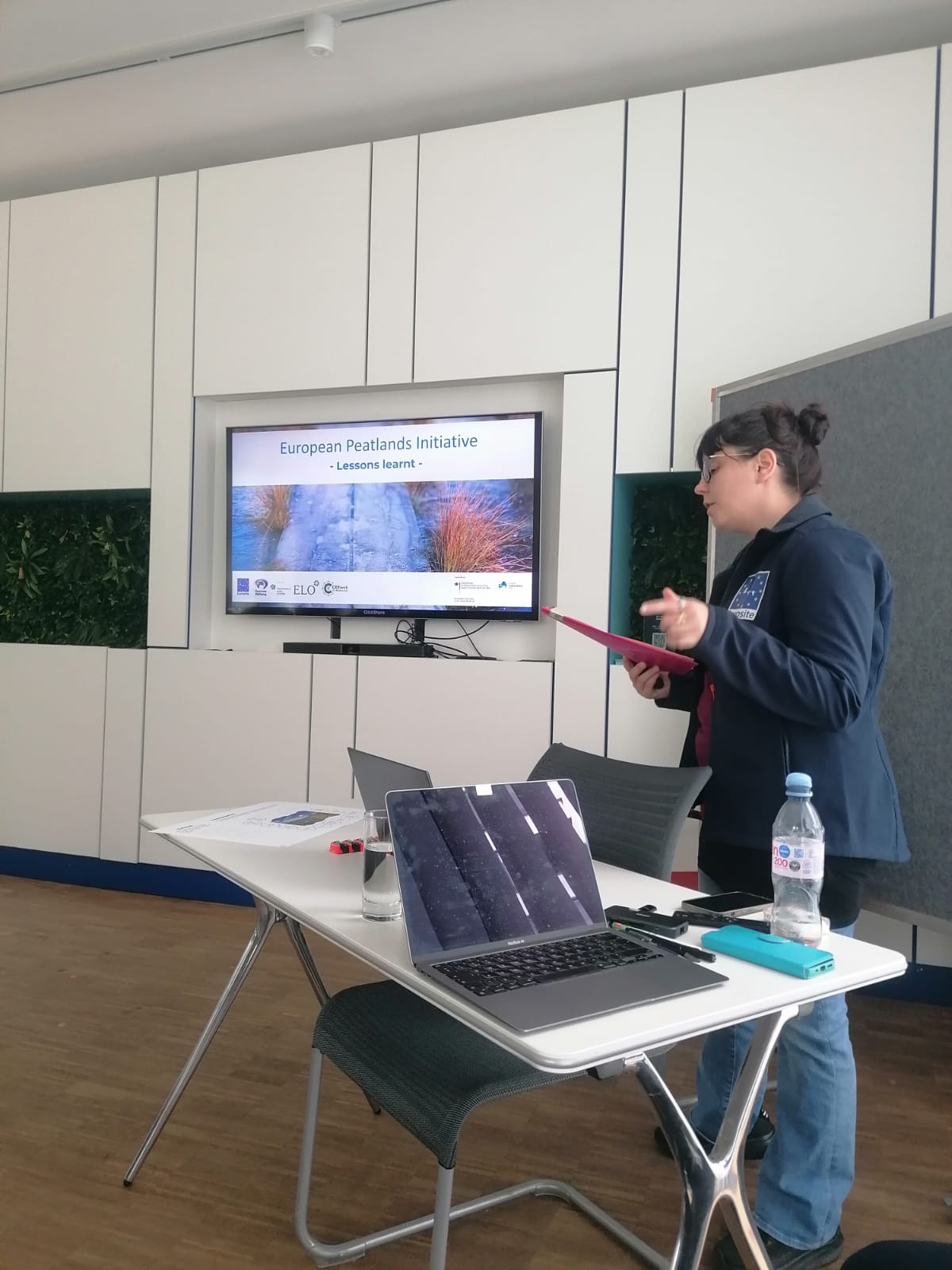
Participants were introduced to the importance of these often-overlooked ecosystems and to the growing policy momentum surrounding their protection and restoration. The workshop explored how peatlands contribute to major European policy objectives, including the implementation of the Nature Restoration Regulation and the Carbon Removal and Carbon Farming Certification Framework. Participants also learned from pioneering examples across Europe, where national peatland strategies, restoration programmes and paludiculture initiatives are already demonstrating practical pathways towards more sustainable peatland management.
.jpeg)
Peats, People and Solutions
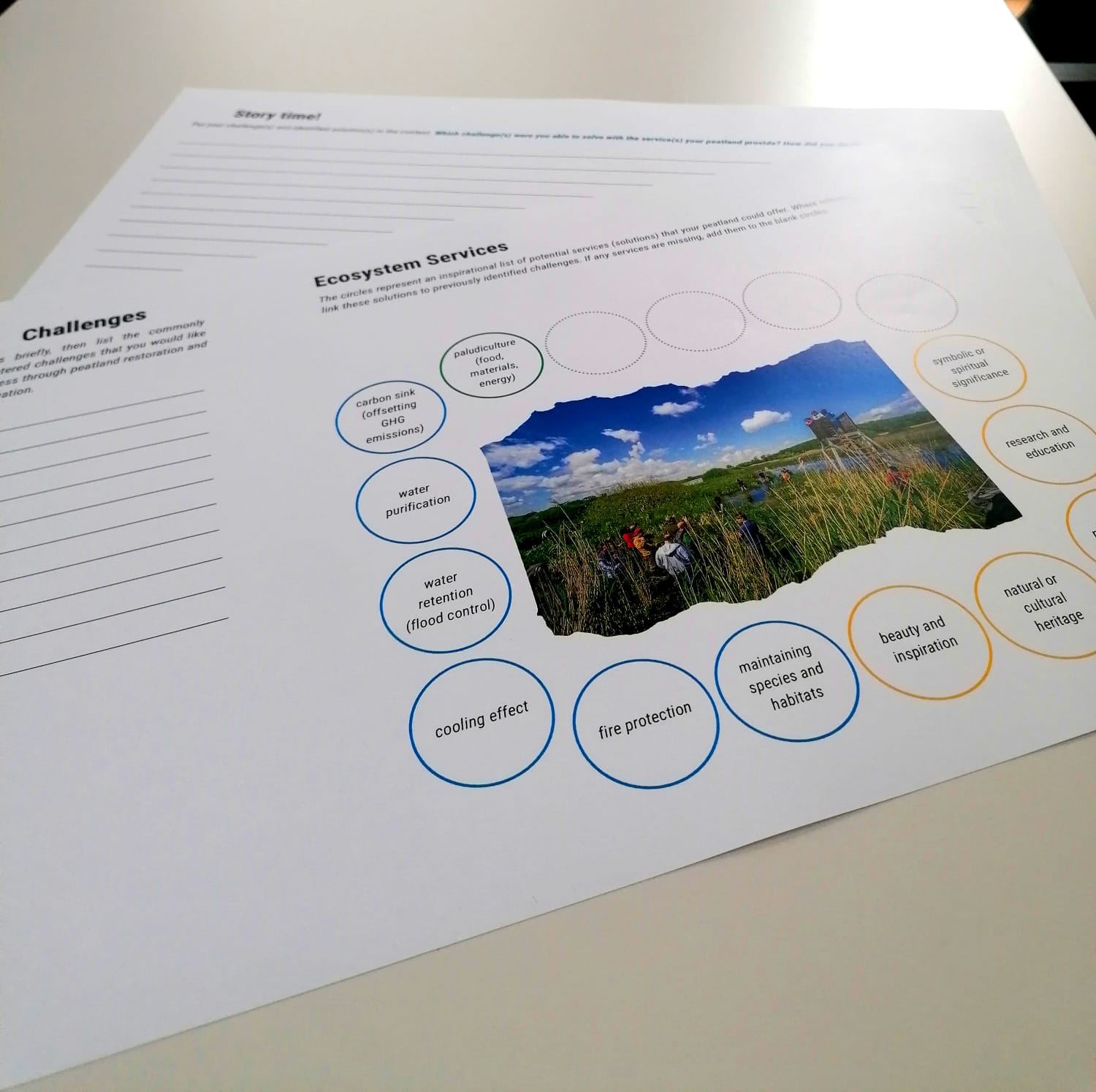
A central element of the session was an interactive storytelling exercise. After interactive discussions where participants explored commonly found challenges they encounter in their own sectors — from climate adaptation and water management to urban wellbeing and land-use conflicts — those same participants explored how healthy peatlands could help address these challenges. The exercise highlighted the wide range of ecosystem services peatlands provide, including carbon storage, greenhouse gas mitigation, water purification, flood mitigation, cooling effects during heatwaves and educational opportunities.
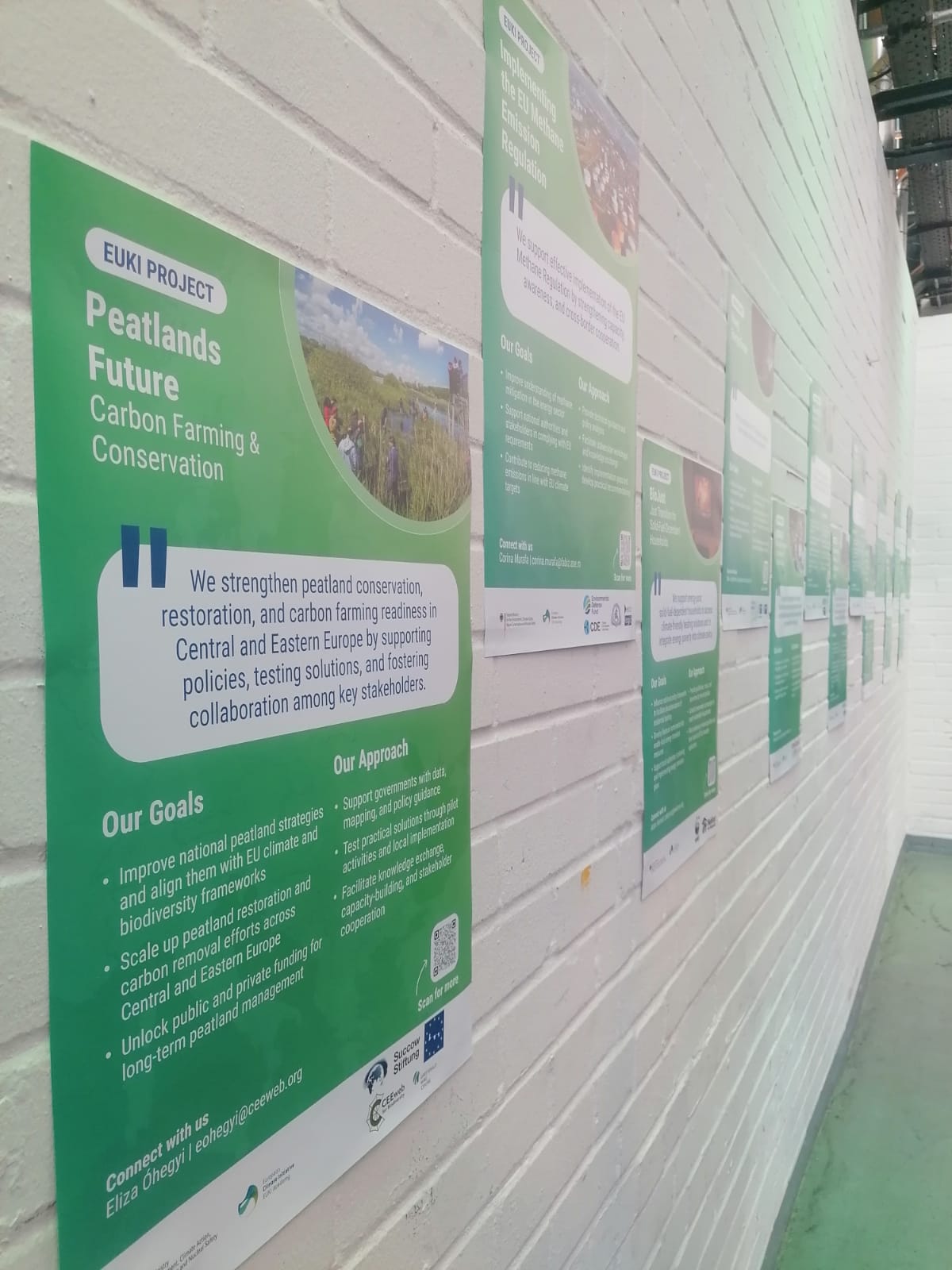
Beyond raising awareness, the workshop also provided an opportunity to introduce the newly launched Peatland Futures project. The initiative seeks to strengthen collaboration among governments, experts and stakeholders across Central and Eastern Europe, supporting the development of national peatland strategies and facilitating the implementation of emerging European policies related to peatland restoration, carbon farming and climate action. As part of this effort, the project contributes to broader initiatives aimed at strengthening cooperation on peatland conservation and restoration across Europe.
The lively discussions throughout the session reflected a growing recognition that achieving climate neutrality requires not only technological innovation but also the restoration of natural ecosystems that provide multiple societal benefits.
By bringing peatlands into EUKICON26, the workshop helped broaden the conversation on climate solutions and demonstrated that healthy peatlands are an essential part of Europe’s climate-resilient future.
Image gallery
Downloads
- Peatland Futures Workshop - EUKICON26 (1,45 MB)