.png)
For many of us, the best summer memories are festivals. Some people already put together the summer festival calendar in the middle of winter, and maybe the festival sets as well. The average festival goer attends 2.7 festivals per year. Each bigger and more famous festival gives a country a huge tourist attraction. For example, many foreigners come to Hungary because of the Sziget Festival and Ozora.
But there are Tomorrowland, Exit Festival, Lollapalooza. These popular festivals attract a lot of people, tens of thousands of people step on the typically green surfaces and other festivals every day. However, festival-goers leave behind not only a lot of money, but also a lot of trash, so it has been a hot topic for years that festivals are actually very harmful to our environment. During travel and festivals, visitors often consume much more food, travel more, produce more garbage, and use more energy and water than on average weekdays. All this means that the environmental pollution occurring at the festival site is several times greater than the pollution occurring during weekdays. According to TheShowMustGo report each year festivals generate 25800 tons of waste, 68% of which goes to landfill. 58% of people said they had left, lost or broken something at a festival, despite 80% buying brand new items especially for the events.
This increased environmental impact is even more noticeable in those settlements where you hardly see people outside of the summer event. The infrastructure is often lacking here.
This problem led to the demand for greening of festivals. An event organizer who also has green principles in mind must plan and conduct a festival in such a way as to keep the event's environmental impact as low as possible.
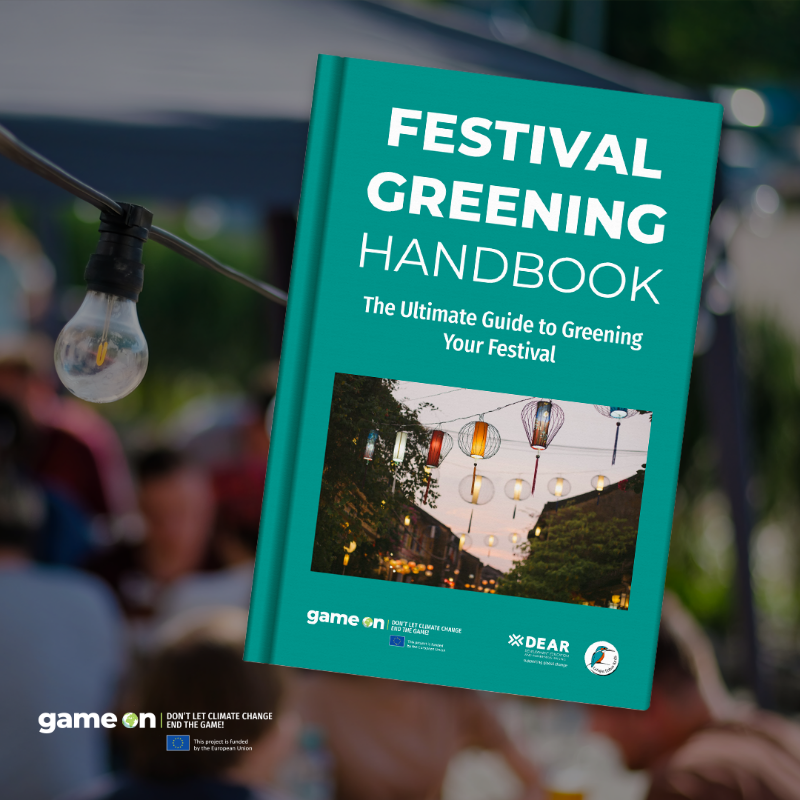
Festival Greening Handbook by GameOn
The Latvian member organization of GameOn has created a Festival Greening Handbook, which has been translated already into 9 languages, and now is available for FREE on our website. The organizations of our partner countries are also ready to provide assistance and partnership in the "greening" process. In other words, don't hesitate to ask them for support! If you would like to contact them, write to us! We have created a sub-page that helps you implement greening in practice, a checklist gives you clues and helps you realize your plan to organize a sustainable festival. We've thought of everything, so from the very first step of organizing the festival, you'll get a detailed checklist of what steps you need to take to organize a truly green and sustainable event.

Checklist for green festivals
For example, if you want to organize a festival that will take place in nature, with the possibility of staying overnight, and where food and drinks will be sold, you will definitely need a long checklist, because there are many points you can do to run the event in an environmentally friendly and sustainable way. We will help you with this, as environmental protection specialists from eight countries worked on the program, which you can now download for FREE.
Local initiatives: the Hungarian HUG Festival is following the initiatives of Festival Greening Handbook step by step with
The greening efforts of the Game On have reached their goal with the Organization of Hungarian Environmentalists, (MTVSZ). They want to take further steps towards sustainability during the Hungarian HUG Festival.
"The HUG will start soon and we will show you everything that can be done to make an event even more environmentally friendly. We also worked with HUG on the basis of the Festival Greening Handbook, which is available free of charge to anyone. This is an easy-to-understand, professionally accurate and well-applied book, and Game On even created a filter that can be set on the page according to the type of event, it can be easily viewed" say the conservationists.
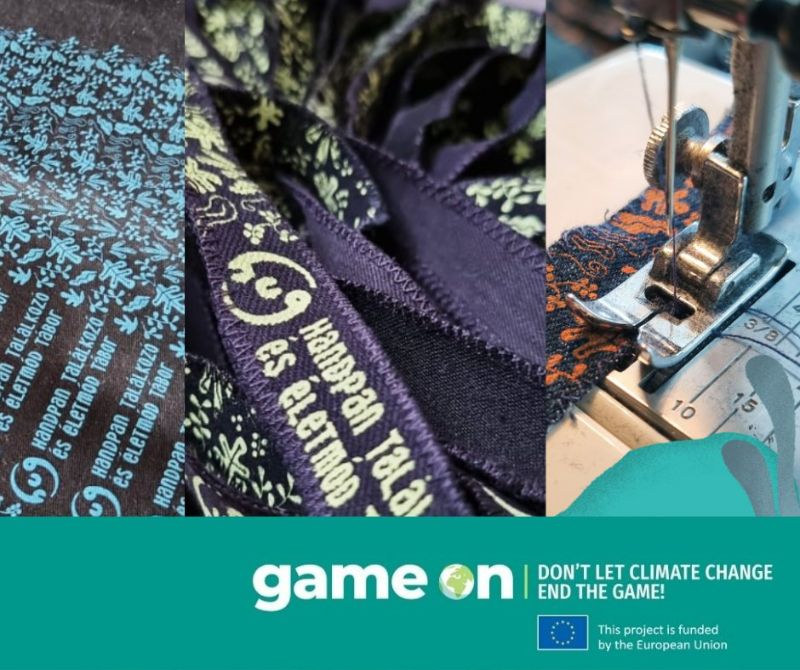
“Our event is litter-free, so we ask our guests not to bring single-use items, plastic or metal packaging. Or if they do, then our logic is that if they can take it home the same way they were able to bring it here, and put it in the selective garbage bin at home. At the HUG festival, our practice for several years aimed to organize a green and sustainable festival, using eco-toilets, outdoor showers, sustainable mugs and cutleries" says Szilvia Tóth, co-organizer of the HUG handpan festival. HUG's goal is not only to green the festival, but also to shape people’s mindset. "Every year, we expect that after the festival, when we walk through the area of the festival, there will always be less and less trash. We expect and hope that we can change the attitude of our festival-goers, which they can then take home, such as drinking plastic-free water, using biodegradable soap and using public transport more often or eating less meat."
Why is it important for festival organizers to take steps towards sustainability? Why should you organize your event to be nature and climate-friendly?
Events of all sizes require a lot of water, energy, and materials, and generate waste and greenhouse gas emissions. If you plan your event to be nature and climate-friendly, you can reduce its harmful effects! There is no magic formula for making a festival, conference, sports game, or other event completely harmless to nature and the environment. However, we should try to achieve this whenever we can! Why?
Festivals are not vital events, so it is particularly important that they have zero or negative impact on the environment. It is true that festival organizers are increasingly aware of their own carbon footprint, but there is still room for improvement. But even this would not be enough, the goal to be achieved is that these events are not only sustainable, but also educational. Climate change is so fast and already has a huge impact on our lives that every profit-making company should feel responsible.
Catering on a sustainable way
The first step can be taken by the festival organizers when they choose suppliers who use recycled and environmentally friendly materials, glasses and cutlery made of degradable, compostable materials. But environmental awareness should already be reflected in the choice of food products offered for sale. The food we eat has a significant impact on the environment. The use of land and water resources is just one example of the effects we cause. The production of modern foodstuffs often involves the use of a lot of water. It is worthwhile for the organizers to think about keeping CO2 emissions from food production to a minimum. Including fertilizing, handling plants, using pesticides, and transporting and packaging the food itself.
What can we do individually? Let's give priority to the catering services that offer sustainable food and drink! We don't touch it when we choose from the offers of craft stalls. And not even if we head towards the vegan brewery. Avoid unnecessary packaging and single-use cutlery, if possible, bring your own plate and cutlery!
What about the trash?
Garbage is generated even before the event, flyers and posters all burden the environment, so it is worth considering using as few paper-based, printed forms of advertising as possible, and giving preference to digital forms. The same applies to tickets.
A lot of garbage is produced during the festival. These are different types of waste, the amount of which depends on the type, duration and location of the event. For example, if the event has several stages, setting up the venues can generate a lot of waste. Waste is very visible, in contrast to, for example, invisible CO2 emissions. The best rule of thumb here is that the fewer sites or things to build, the less waste is produced. In other words, with careful planning and foresight, garbage can be reduced. The goal to be achieved is to have as little trash as possible before, during and after the festival. It is worth educating visitors on selective garbage collection, and also on using as many reusable devices as possible: own glasses, cutlery, cleaning cloths.
What can we do individually? Let's not litter! Always, everywhere, make sure that you don't throw trash and cigarette butts in the festival area and during the concerts. Selective waste collectors are already available at most festivals. And we can do the most if we also collect the discarded garbage. Always have a trash bag with us, you can put your own or found trash in it if there is no trash nearby or it is full. It is worth packing so that we have our own glasses and cutlery, but do not bring unnecessary things. Only pitch a tent in the designated area and go to the toilet in the designated area. Do not leave your tent at the festival site under any circumstances, even if you no longer wish to use it. Those festival sites that are covered with tents lying in ruins after the event present a deplorable sight. Don't be a part of this brutal environmental pollution and clean up after yourself!
Energy and water
Festivals usually need these two things in very large quantities. Most festivals are outdoor, and you have to get these two resources there somehow. Energy is necessary for concerts, catering, and all stages of hospitality. Hot water must be produced, for example for cooking or cleaning. All these activities result in very high CO2 emissions. The use of water is particularly problematic, because water must be taken care of in the heat of the summer and during periods of drought. This can be particularly problematic, as they shower, cook, and wash dishes at festivals. The ethical question also arises: are we carelessly using what is currently abundant?
What can we do individually? If you sleep at the festival site, make sure you don't shower during the hottest part of the day and only drink as much water as you really need. You don't have to wash your hair every day!
Transport
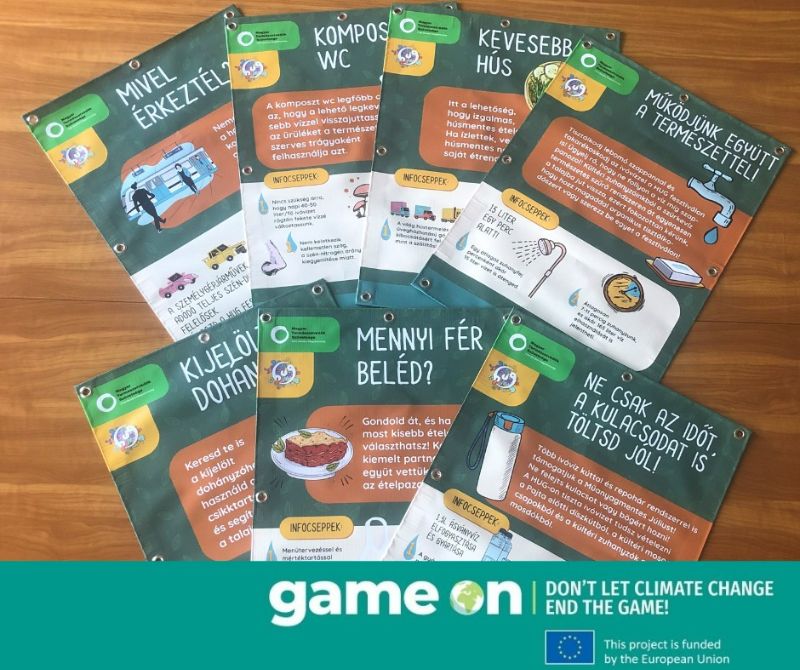
A significant part of the environmental impact of festivals comes from traffic. The golden rule here should be that the less, the better! Huge crowds move every day, and this can certainly make life miserable in a small settlement, not to mention the enormous environmental pollution. The responsibility of the organizers is to ensure that the participants get to the festivals with the smallest possible environmental footprint, for example using public transport instead of a car.
What can we do individually? Let's travel by public transport, it's cheaper and we can save time. If we can, let's go by boat, or by tram, or by another electrically powered device. Use the community bikes if there are any nearby. The bike is not so festival-friendly, unless there is secure bike storage.
European Partnership for Sustainable Festivals
Sziget also joined the largest green festival organization, ADE Green, last year, so in the summer we can already experience the experience of a living nature conservation "laboratory" in Budapest. So far, 43 festivals from at least 14 countries have joined the European Partnership of Sustainable Festivals. Their goal is to increase their impact on the transition to a circular economy and climate neutrality.
So if you are organizing a festival, visit the site, download the free handbook, create a personalized checklist, and if you have any questions, write to us!